

Precision Hip Care for Lasting Mobility and Better Outcomes
Leverage data-driven insights and surgical innovation to advance mobility outcomes in hip preservation care.
Precision Hip Care for Lasting Mobility and Better Outcomes
Leverage data-driven insights and surgical innovation to advance mobility outcomes in hip preservation care.
Empowering Outcomes with Insight
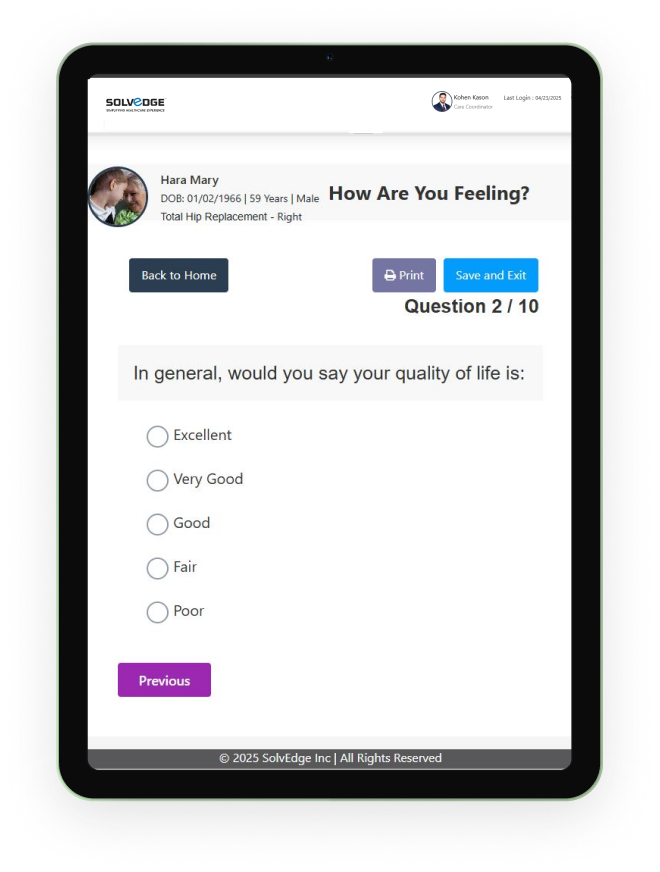
Personalized tracking of recovery metrics helps identify potential setbacks early, enabling healthcare providers to refine treatment plans and improve outcomes in hip arthroscopy patients.
Assesses a wide range of hip-related symptoms, function, and quality of life relevant to arthroscopy outcomes.
A shorter measure focused on pain and function, providing a quicker assessment of overall hip health after arthroscopy.
Briefly evaluates hip pain and functional limitations in daily activities following arthroscopic intervention.
Specifically assesses pain, function, and activity levels in younger, active individuals undergoing hip arthroscopy for nonarthritic conditions.
Measures functional limitations during daily activities and sports participation due to hip issues addressed by arthroscopy.
Evaluates the impact of hip problems on the quality of life of active individuals treated with hip arthroscopy.
Offers precise measurements of pain, physical function, and other health domains relevant to recovery after hip arthroscopy.
Powered suported by leading international healthcare service
Designs Tailored for Every Age
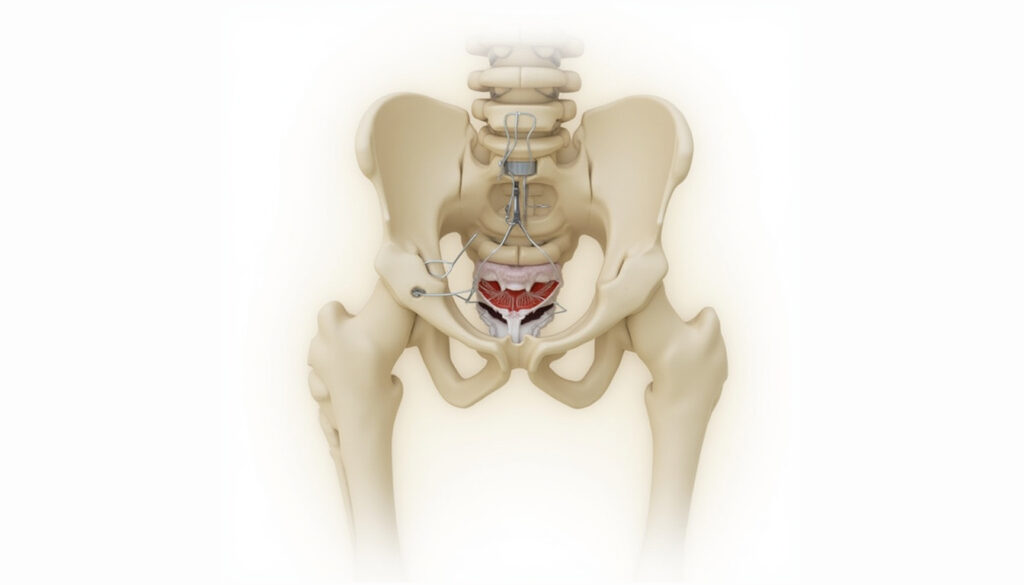
Hip arthroscopy requires specialized components for effective repair. Implants vary based on the patient’s age, activity level, and specific injury type to ensure optimal results.
Suture Anchors
Outcome:
Suture anchors securely reattach the labrum or capsule to bone, restoring hip stability and function, enabling pain-free movement and improved joint mechanics for active lifestyles. People between 15–50 are suitable for this, based on activity level and joint condition.
Sutures
Outcome:
High-strength sutures repair the labrum or capsule, ensuring stable tissue healing, enhancing joint integrity, and supporting smooth hip motion for daily activities and sports. The ideal age would be 15–50, depending on physical demands.
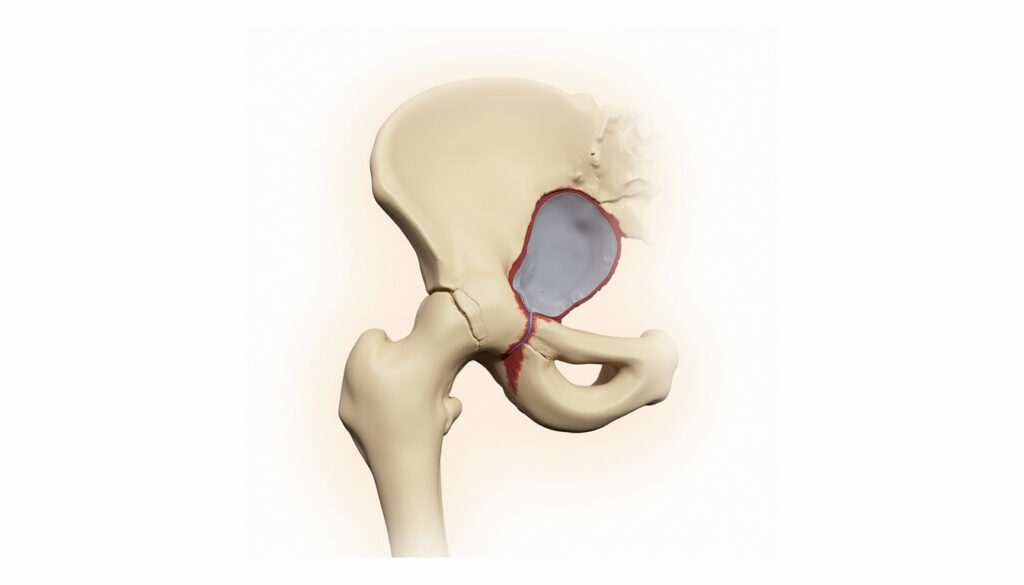
Labral Reconstruction Grafts
Outcome:
Labral grafts replace damaged labrum, restoring hip joint stability and cushioning, improving range of motion, and supporting long-term function for pain-free mobility in active patients. The ideal age is 20–45, for optimal tissue integration.
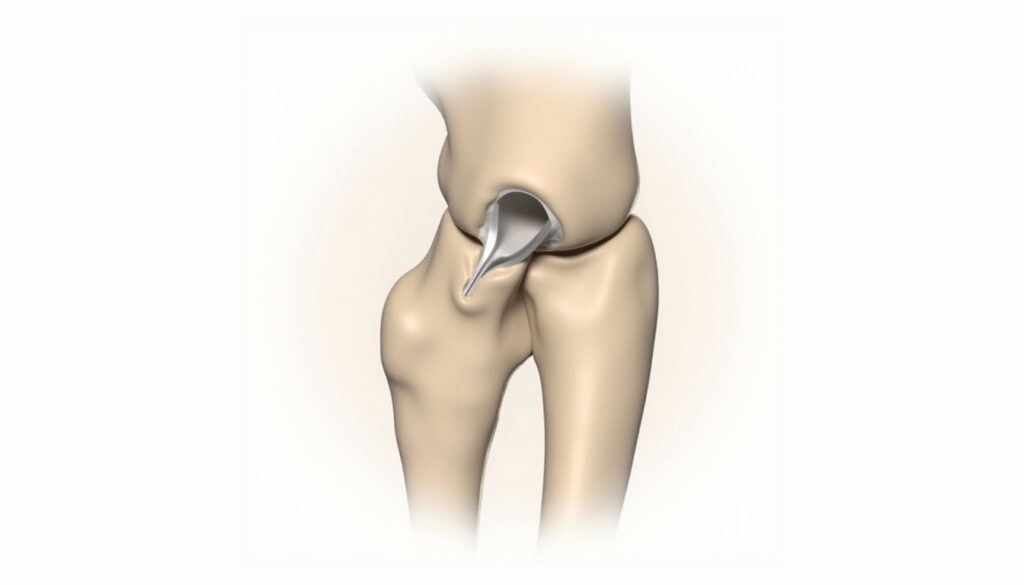
Capsular Closure Devices
Outcome:
Capsular closure devices repair or tighten the hip capsule, restoring joint stability, improving biomechanics, and enabling smooth, pain-free motion for active lifestyles and sports participation. People between 15–50 are suitable for this, based on joint health.
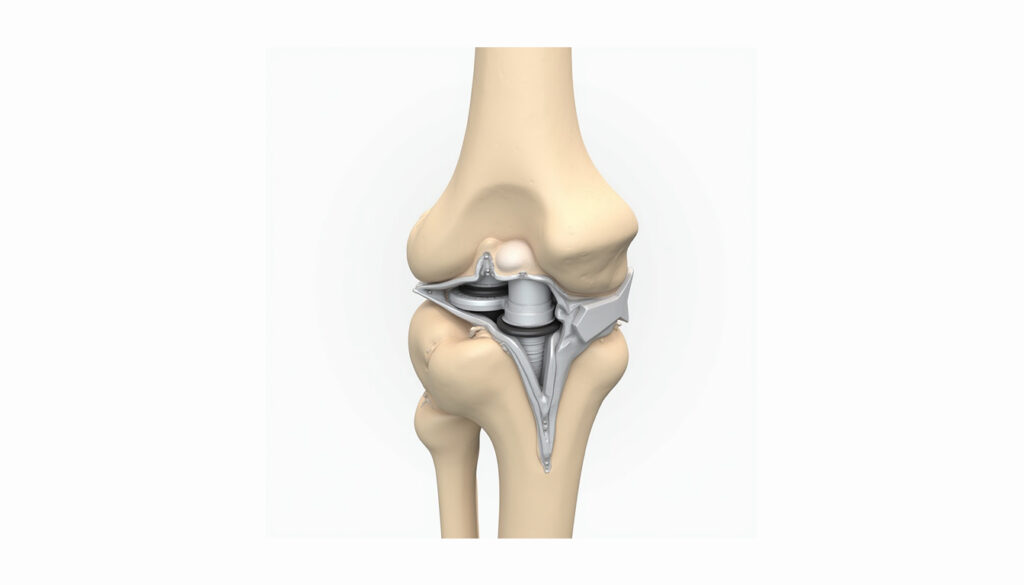
Bone Fixation Devices
Outcome:
Bone fixation devices secure bone fragments or osteoplasty sites, ensuring proper alignment, stable healing, and restored hip mechanics for improved function and pain-free mobility. The ideal age for this is 20–50, for bone healing capacity.
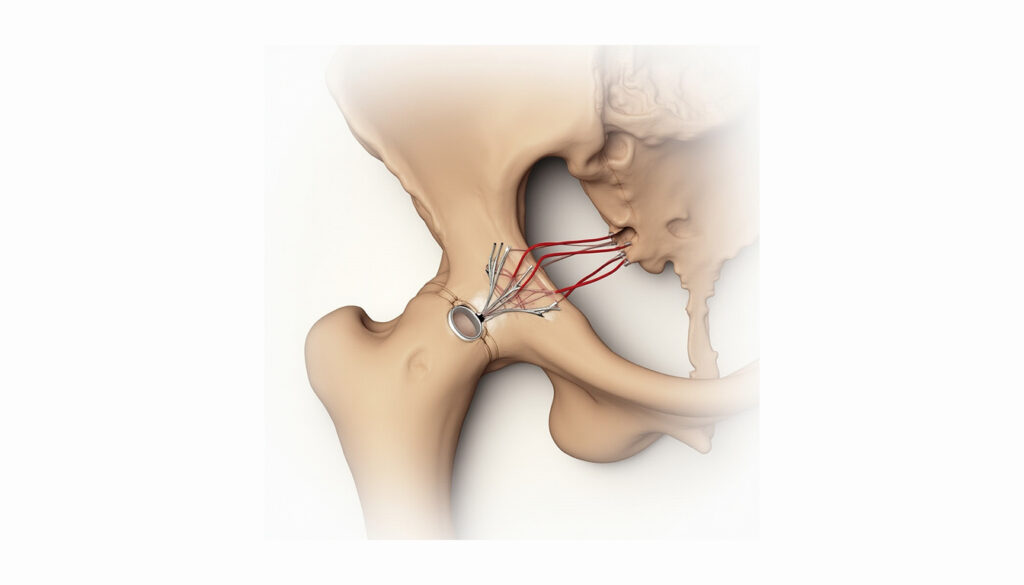
Ligamentum Teres Reconstruction Implants
Outcome:
Ligamentum teres grafts restore hip ligament stability, enhancing joint congruence, improving mobility, and supporting pain-free function for patients with active or athletic lifestyles. The ideal age would be 20–45, for tissue integration.
Synovial Tissue Implants
Outcome:
Synovial implants promote tissue regeneration, reduce adhesions, and enhance joint lubrication, improving hip function, mobility, and comfort for patients with synovial or tissue defects. People between 20–50 are suitable for this tissue repair potential.
Transforming Patient Journeys
Integrating real-time care navigation with patient-reported outcomes enables clinicians to personalize treatment and improve recovery timelines. This approach helps ensure smoother recovery experiences and better clinical results for hip arthroscopy patients.
Improved Early Detection
Real-time data from patients helps clinicians anticipate complications and modify care plans proactively.

Better Alignment of Expectations
Transparent tracking ensures that patients and clinicians are aligned on recovery goals, boosting satisfaction.

Enhanced Rehabilitation Support
Continuous monitoring supports targeted rehabilitation efforts, reducing unnecessary interventions and improving recovery speed.

Streamlined Care Coordination
Seamless communication between all care team members leads to more efficient decision-making and quicker recovery.

Real-Time Data Driving Design
The integration of real-time data has influenced the design of implants and surgical tools for better performance.

Enhanced Functionality
Advanced tracking helps improve implant materials and surgical techniques for increased longevity and success rates.

Targeted Device Customization
Data-driven insights allow for more precise tailoring of devices to individual patient needs, improving recovery outcomes.

Fostering Preventative Care Approaches
Integrating navigation tools supports a shift from reactive to proactive care, helping to avoid future joint dysfunction.